
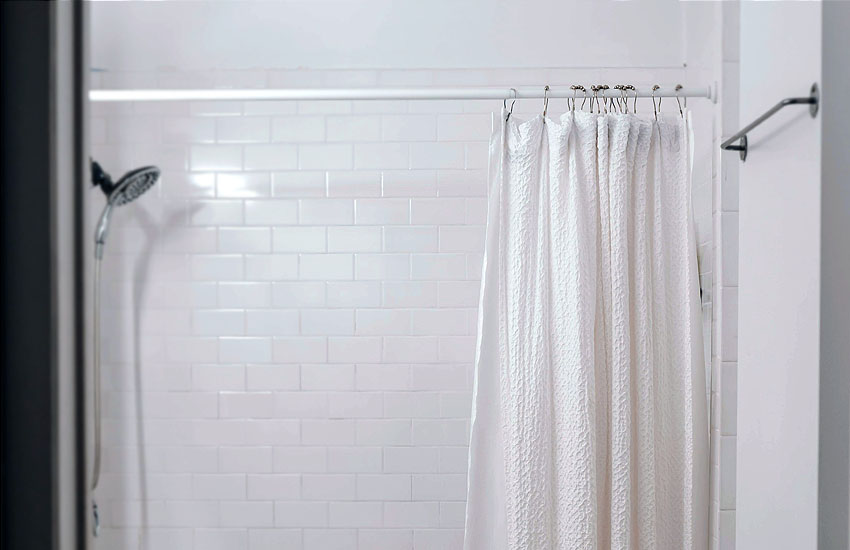
Imagine stepping into your shower only to notice that your curtain is covered in grime and mildew. It feels gross, right? You know it's time to clean it, but the thought of scrubbing for hours makes you groan. Luckily, you don't have to do it by hand. In this article, I will show you an easy way to wash your plastic shower curtain in a washing machine.
Remove the Shower Curtain and Prepare for Washing
First, take the curtain off its hooks. This is important because leaving it on the rod can damage both the curtain and your washing machine. Lay it flat on a clean surface so you can check for any mold or stains. Look closely at the bottom and corners where dirt usually collects. If you see stubborn mildew, don't panic. You can treat it before washing to make sure the curtain comes out spotless.
Next, check the washing instructions on the curtain's label. Most plastic curtains are safe for machines, but it's good to be sure. Remove any rings, hooks, or weighted bottoms. These can scratch your washer or tangle during the wash. If you have a heavily stained curtain, sprinkle a bit of baking soda or a mild detergent on the problem spots. This will boost cleaning without harming the material.
Now, fold the curtain carefully to fit in the washer. Avoid tight folds that might trap dirt or block water flow. Use a gentle cycle to prevent tearing. Add a couple of old towels to the load. They act like scrubbers, rubbing against the curtain to lift off grime. This simple preparation sets the stage for a deep and safe clean.
- Remove the curtain from the rod.
- Check for mold or stains.
- Read washing instructions on the label.
- Remove hooks or weighted parts.
- Treat stubborn spots with baking soda or detergent.
- Fold curtain carefully and add towels to the washer.
Choose the Right Detergent and Washing Settings
Not all detergents are equal when it comes to plastic. Avoid harsh chemicals or bleach unless the curtain label allows it. Mild liquid detergent works best. It removes dirt without damaging the curtain or leaving streaks. If your curtain is heavily soiled, you can add half a cup of white vinegar. Vinegar helps kill bacteria and mildew, making your curtain fresh and safe.
Next, pick the washing machine settings. Use warm water, not hot, to avoid melting or warping the plastic. Choose a gentle or delicate cycle. This will clean the curtain evenly without stressing the material. Avoid spinning too fast. High speed can create wrinkles or even tear the curtain. Add the detergent to the usual dispenser. If using vinegar, pour it directly into the drum with the curtain.
Check the load size. Make sure the curtain has enough space to move freely. Overloading the washer can leave some parts dirty. Remember to keep towels in the wash. They help scrub the curtain naturally, boosting cleaning power. Using these simple steps ensures your curtain comes out clean, fresh, and ready to hang.
- Use mild detergent, avoid harsh chemicals.
- Add white vinegar for mildew.
- Select warm water, gentle cycle.
- Avoid high-speed spin.
- Make sure the washer isn't overloaded.
- Keep towels in the drum for extra cleaning.
Wash the Shower Curtain Safely
Once everything is ready, start the washing machine. Let it run the full cycle, so all the dirt is removed. Stay close the first time you wash a curtain, just in case something goes wrong. Sometimes plastic curtains shift or wrap around the agitator. If that happens, pause the machine and untangle the curtain. This keeps it from tearing.
During the wash, the curtain will rub against the towels. This helps remove soap scum and mildew naturally. If your washer has an extra rinse option, use it. Extra rinsing removes all detergent and vinegar, leaving the curtain clean and soft. Avoid adding fabric softeners because they can leave a slippery coating on the plastic.
When the cycle finishes, carefully remove the curtain. It may drip water, so hold it over the tub or sink. Check again for stubborn stains. If any remain, you can gently scrub with a soft sponge and a tiny bit of detergent. Washing in the machine handles most of the work, but sometimes small spots need extra attention.
- Start the washing machine and run the full cycle.
- Monitor to prevent tangling.
- Let towels scrub the curtain naturally.
- Use extra rinse if possible.
- Avoid fabric softeners.
- Gently check for remaining stains.
Dry the Shower Curtain Properly
After washing, drying is key. Avoid the dryer unless the label says it's safe. High heat can melt or warp plastic. The best method is air drying. Hang it back on the shower rod or a clothesline. Make sure it hangs fully stretched to prevent folds. This keeps the curtain from sticking together and avoids mildew forming again.
If your bathroom is humid, open a window or turn on a fan. Good airflow speeds up drying. Sometimes, shaking the curtain lightly helps water drip off faster. Check the bottom, since water can pool there. If any part stays damp for long, wipe it gently with a clean towel. This ensures the curtain dries evenly and stays fresh.
Air drying also keeps your plastic curtain bright and smooth. Avoid direct sunlight for long periods. UV rays can fade colors or weaken the plastic. Once dry, reattach hooks or weights and hang it fully. Your bathroom instantly feels cleaner and fresher with a sparkling curtain.
- Avoid the dryer, use air drying.
- Hang fully stretched on rod or clothesline.
- Use fan or open window to speed drying.
- Shake gently to remove water.
- Wipe damp areas if needed.
- Avoid long direct sunlight exposure.

Maintain Cleanliness Between Washes
A clean curtain is easy to keep that way. Wipe it down weekly with a damp cloth or sponge. You can also spray a mild vinegar solution to prevent mildew. These small habits stop dirt from building up. It's easier than waiting for a machine wash every month.
Use shower hooks that allow the curtain to spread out fully. Don't let it stay bunched together when wet. This reduces trapped moisture and prevents mold. If you notice any small spots or rings of grime, clean them immediately. Quick attention saves time and keeps the curtain looking new.
Ventilation is important. Always leave the bathroom door or window open after showers. Proper airflow dries the curtain faster. Even a few minutes of extra ventilation can prevent mildew from forming. Consistent care keeps your curtain looking great and reduces the frequency of washing.
- Wipe curtain weekly with damp cloth.
- Spray vinegar solution to prevent mildew.
- Spread curtain fully on hooks.
- Clean spots immediately.
- Keep bathroom ventilated.
- Regular small care reduces washing needs.
Handle Stubborn Stains and Mildew
Sometimes plastic curtains develop tough stains. Don't panic. You can remove most with simple household items. For mildew, make a paste with baking soda and water. Apply it to the affected area and let it sit for 10 minutes. Then, scrub gently with a soft sponge. This lifts mildew without damaging the curtain.
For soap scum or greasy marks, vinegar works wonders. Spray directly on the stain and let it sit a few minutes. Wipe in circular motions to loosen grime. Rinse with water afterwards. Repeat if necessary. Avoid using sharp brushes or harsh chemicals that can tear or weaken the plastic.
If stains are widespread, machine washing with vinegar and mild detergent usually does the trick. Pre-treat problem spots before adding the curtain to the washer. This combination ensures the curtain comes out bright and clean. With these simple tricks, even old or stubborn curtains can look almost new.
- Make baking soda paste for mildew.
- Apply, let sit, then scrub gently.
- Use vinegar for soap scum or grease.
- Wipe in circular motions.
- Avoid harsh brushes or chemicals.
- Pre-treat problem areas before washing.
Final Thoughts
Washing a plastic shower curtain in a washing machine is simple and effective. With the right preparation, detergent, and care, it comes out fresh and clean. Air drying and small weekly habits keep it looking new. Stubborn stains can be handled with vinegar or baking soda. Follow these tips, and your bathroom will feel brighter and fresher every day. Cleaning becomes easy, fast, and even a little satisfying.
| Task | Tips | Notes |
|---|---|---|
| Remove curtain | Take off hooks and check label | Look for stains or mildew |
| Wash | Use gentle cycle, mild detergent, add towels | Vinegar helps kill bacteria |
| Rinse | Extra rinse recommended | Avoid fabric softener |
| Dry | Hang fully stretched, air dry | Avoid high heat or direct sun |
| Maintain | Wipe weekly, ventilate bathroom | Spray vinegar to prevent mildew |
| Stains | Baking soda or vinegar | Pre-treat before washing |
Frequently Asked Questions (FAQs)
Is it safe to wash all plastic shower curtains in a washing machine?
Not all plastic curtains are the same. Most are machine safe, but always check the label. Some thin or decorative curtains can melt or tear. Use gentle cycles and warm water to avoid damage. Adding towels helps scrub without causing rips. If unsure, hand washing is safer. Treat stubborn stains before washing to protect the curtain and your washer.
Can I use bleach to clean a plastic shower curtain?
Bleach is harsh and can damage plastic if overused. Only use it if the label says it's safe. Mild detergent and vinegar often work better and are safer for colors. If you must use bleach, dilute it heavily and rinse thoroughly. Never mix bleach with vinegar. Use gloves to protect your hands. A gentle approach keeps the curtain long-lasting.
Do I need to remove the hooks before washing?
Yes, always remove hooks, rings, or weights. Leaving them on can scratch the washer or tangle the curtain. Hooks can also trap dirt, so washing without them gives better results. Once the curtain is clean and dry, reattach the hooks. This simple step prevents tears and ensures a smooth, clean curtain.
Is it necessary to add towels in the wash?
Adding a couple of old towels helps scrub the curtain naturally. They prevent the curtain from folding tightly and enhance cleaning. Towels absorb extra dirt and soap. They also reduce friction that could tear the plastic. Always use clean, soft towels to avoid lint sticking to the curtain. This simple trick makes machine washing more effective.
Can vinegar really remove mildew from a plastic shower curtain?
Yes, vinegar is very effective. Its acidity kills mildew and bacteria. You can add it to the wash or spray directly on problem areas. Let it sit a few minutes before scrubbing. Vinegar is safe for most plastics and doesn't leave harsh chemical smells. Regular use helps prevent mildew from returning. It's a cheap, natural, and powerful cleaner.
Do I need to air dry the curtain or can I use a dryer?
Air drying is safest. Dryers use heat that can melt or warp plastic. Hang the curtain fully stretched on a rod or clothesline. Ensure good airflow and avoid long direct sunlight. Shaking gently helps water drip off faster. Proper drying prevents mildew and keeps the curtain smooth. Only use a dryer if the label explicitly allows it.
Can I wash my curtain too often?
Washing too often isn't necessary and may wear out the curtain. Weekly wiping and ventilation reduce the need for frequent machine washes. Treat stains promptly and ventilate the bathroom after showers. Monthly or bi-monthly washing is usually enough. This balance keeps the curtain clean while extending its lifespan.
Do I need special detergents for plastic curtains?
No, mild liquid detergent works best. Avoid harsh chemicals or fabric softeners. Detergent alone removes most dirt and soap scum. Vinegar can be added for extra cleaning power. Special detergents are unnecessary unless the curtain is very old or heavily soiled. Stick to simple, safe cleaning products for best results.