
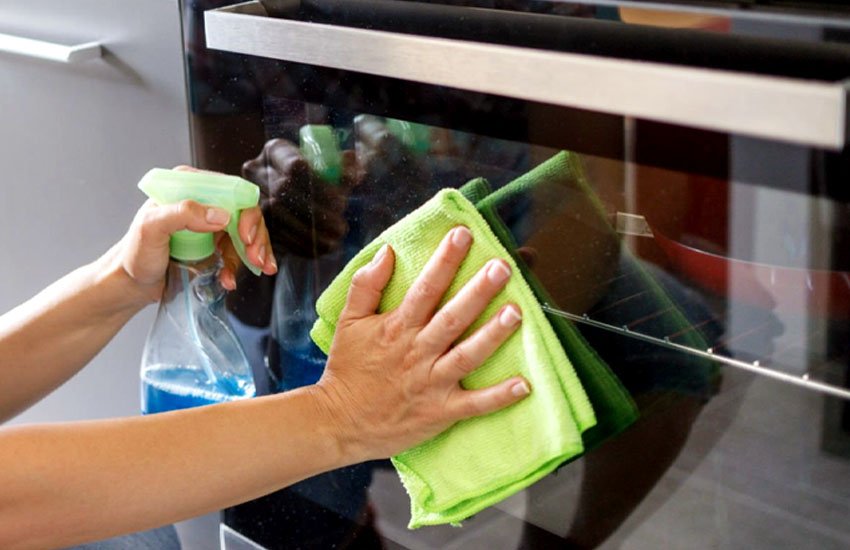
Cleaning your oven can feel impossible. Grease, burnt food, and spills build up quickly. I used to avoid it for months until I tried baking soda and vinegar. It worked wonders! In this article, I'll show you how to clean your oven completely with these two simple ingredients. You'll get a sparkling oven without harsh chemicals.
Gather Your Supplies and Prepare the Oven
Before you start, make sure you have everything ready. You will need baking soda, vinegar, water, a spray bottle, gloves, a sponge, and a cloth. Take out oven racks and trays. This makes cleaning easier. You should also remove any loose crumbs or food bits first.
Next, mix baking soda with a little water to make a thick paste. It should be spreadable but not too runny. Wearing gloves is important because it keeps your hands clean. Lay down old towels or newspaper under the oven door. This protects your floor from spills or drips.
Make sure the oven is completely cool. Never try cleaning when it is hot. Heat can burn your skin or make the paste dry too fast. Open windows for ventilation. It helps reduce the smell and makes cleaning more comfortable.
Once your oven is ready, you can plan how to apply the paste. Think about the nooks and corners that collect grease. It is better to focus on the dirtiest parts first. This will save you time later and make the whole oven look cleaner faster.
- Baking soda, vinegar, gloves, sponge, spray bottle, cloth
- Remove racks and trays
- Protect floor with towel or newspaper
- Oven must be cool
- Ventilate the area
Apply the Baking Soda Paste
Take your thick baking soda paste and spread it all over the oven surfaces. Focus on the bottom, sides, and back wall where grease is worst. Don't forget corners and edges. The paste works slowly to break down burnt-on grime.
Use a cloth or sponge to spread it evenly. Make sure you cover thick stains with extra paste. Avoid applying too much near the heating element. It can be sensitive, so be careful. Spread in a thin layer on areas that are lightly dirty.
After spreading, leave it for at least 12 hours or overnight. This allows the baking soda to work fully. You can check it occasionally, but do not wipe it off too soon. The longer it sits, the easier it will be to scrub later.
Once time has passed, the paste should look darker in some areas. This is normal. It means it has absorbed grease and stains. You are ready for the next step, which will remove the paste and grime completely.
- Spread paste evenly
- Focus on corners and edges
- Avoid heating elements
- Leave 12 hours or overnight
- Check color changes
Spray Vinegar and Watch the Magic
After the baking soda has sat, fill a spray bottle with vinegar. Spray all surfaces where you applied the paste. You will see it start to bubble and fizz. This reaction loosens grime and makes it easy to wipe. It is fun to watch and very satisfying.
Spray lightly at first. If you add too much, it can drip onto your floor. Let the fizzing happen for a few minutes. You can use a sponge to spread the mixture gently. The bubbles help remove stubborn burnt spots without scrubbing hard.
Once fizzing slows, take a damp cloth or sponge and start wiping. Move in circular motions for better cleaning. Rinse the cloth often to avoid spreading paste around. Be patient. Tough stains may need repeated wiping.
Finally, check every corner and edge again. Some spots might need extra vinegar spray and light scrubbing. You will notice that almost all burnt food and grease is gone. It is exciting to see your oven becoming clean again.
- Spray vinegar over baking soda
- Watch fizzing reaction
- Spread gently with sponge
- Wipe with damp cloth in circles
- Reapply if needed
Clean the Oven Racks and Trays
While the oven interior soaks, clean the racks and trays separately. Fill a sink or large basin with hot water. Add a few tablespoons of baking soda. Let racks soak for 1-2 hours. This softens grease and baked-on food.
After soaking, scrub with a sponge or brush. You will notice grease coming off easily. Rinse under running water to remove any leftover baking soda. Dry with a clean cloth. Trays can be treated the same way.
For extra tough spots, sprinkle a little baking soda directly on the rack and spray vinegar. The fizzing will help lift the grime. Use gloves to protect hands from prolonged contact with water and cleaning agents.
Once all racks and trays are clean, place them aside to dry fully. They are ready to go back into your sparkling oven. Cleaning these separately is important because they often hold most of the grime.
- Soak in hot water with baking soda
- Scrub with sponge or brush
- Rinse and dry
- Use vinegar for tough spots
- Let dry before returning
Wipe Down and Remove Residue
Now, it is time to remove all the baking soda and vinegar residue inside the oven. Take a damp cloth or sponge. Wipe every surface thoroughly. Use warm water to make wiping easier. Avoid leaving any white residue behind.
You may need to rinse and wring out your cloth multiple times. Move slowly around corners and edges. Press lightly to remove stuck paste. Keep checking by touch. It should feel smooth and clean.
For stubborn residue, spray a little more vinegar and wipe again. The combination of vinegar and baking soda ensures that the oven will be free from all grime. Take your time and don't rush. A clean oven feels amazing.
Once done, allow the oven to air dry. Leave the door open for a few hours. This prevents moisture and ensures everything is fully ready for cooking again.
- Wipe thoroughly with damp cloth
- Use warm water
- Rinse cloth often
- Spray vinegar for residue
- Let oven air dry
Finish Up and Maintain Cleanliness
After everything is cleaned and dried, place the racks and trays back inside. Take a moment to enjoy your shiny oven. It feels great to cook in a clean space. Regular cleaning will make future jobs easier.
You can maintain cleanliness by wiping spills immediately. Use baking soda paste for light stains weekly. This prevents thick grime from building up. Also, avoid using harsh chemical cleaners that can damage the oven.
Make it a habit to check the oven once a month. Remove crumbs and wipe surfaces. Vinegar and baking soda are safe, natural, and effective. They will keep your oven looking new for a long time.
Finally, enjoy the satisfaction of a sparkling oven. It improves cooking experiences and reduces smoke. You feel proud of keeping your kitchen clean and healthy.
- Place racks back
- Wipe spills immediately
- Use paste weekly for light stains
- Avoid harsh chemicals
- Check oven monthly
Final Thoughts
Cleaning your oven with baking soda and vinegar is simple and safe. It removes grease, burnt food, and residue without harsh chemicals. By following these steps, your oven will stay shiny and clean. Regular maintenance keeps cleaning fast and stress-free. Enjoy cooking in a fresh and sparkling oven every time.
| Item | Purpose | How to Use | Extra Tips |
|---|---|---|---|
| Baking soda | Removes grease and burnt food | Mix with water to form a paste, apply to oven surfaces | Focus on corners and thick stains, avoid heating elements |
| Vinegar | Reacts with baking soda to lift grime | Spray over baking soda paste until fizzing occurs | Helps loosen tough stains, rinse residue thoroughly |
| Gloves | Protects hands | Wear throughout cleaning | Prevents irritation from scrubbing and chemicals |
| Sponge/cloth | Wipe and scrub oven | Use damp to clean surfaces, rinse often | Circular motions work best for stubborn areas |
| Oven racks | Remove grease and food residue | Soak in hot water with baking soda, scrub afterward | Use vinegar for extra tough spots, dry fully before returning |
| Towels/newspaper | Protects floor and counters | Lay under oven door and work area | Prevents stains and catches drips |

Frequently Asked Questions (FAQs)
Is it safe to use baking soda and vinegar in my oven?
Yes, it is completely safe. Baking soda and vinegar are natural and non-toxic. They do not release harmful fumes or chemicals. You can clean without worrying about residues affecting food. Just make sure to wipe all surfaces thoroughly after cleaning. Regular use keeps your oven safe and shiny. Avoid using too much liquid near heating elements to prevent damage.
Can baking soda remove burnt food easily?
Absolutely, baking soda is very effective. When mixed with water to form a paste, it slowly lifts burnt-on food. The longer it sits, the easier it becomes to scrub. Using vinegar afterward helps fizz away the remaining grime. You will be surprised how even stubborn burnt areas come off without harsh scrubbing.
Do I need to remove oven racks before cleaning?
Yes, it is much easier to clean if racks are removed. Racks often hold the most grease and burnt food. Removing them lets you apply baking soda paste and vinegar evenly inside the oven. You can also soak racks separately to make cleaning faster. It keeps everything organized and ensures nothing is missed.
Is it necessary to wait overnight for baking soda?
Waiting overnight gives the best results. Baking soda needs time to break down grease and burnt food. Shorter times may work for light stains, but tough grime requires more time. You can check occasionally but avoid wiping too soon. Patience pays off, and your oven will be much easier to clean.
Can vinegar damage my oven surfaces?
No, vinegar is safe for most ovens. It is acidic but mild. It reacts with baking soda to remove grime, not damage surfaces. Avoid using pure vinegar directly on electrical parts. Spraying carefully and wiping after fizzing ensures safety. Vinegar keeps your oven clean without harsh chemicals.
Do I have to use gloves while cleaning?
It is highly recommended. Gloves protect your skin from prolonged contact with baking soda and vinegar. They also prevent irritation from scrubbing. Gloves make cleaning more comfortable and hygienic. You can focus on the oven instead of worrying about hand discomfort.
Can this method work for self-cleaning ovens?
Yes, but with care. Some self-cleaning ovens have sensitive surfaces. Avoid harsh scrubbing or too much liquid near electronics. Baking soda and vinegar can help remove minor spills. For heavy cleaning, follow manufacturer instructions first. This natural method is safer than chemical cleaners.
Do I need to air dry the oven after cleaning?
Yes, letting the oven air dry is important. It ensures no moisture remains inside, which could cause rust or smoke. Leave the door open for a few hours. This also helps any remaining vinegar smell to disappear. A dry oven is ready for cooking and stays clean longer.