
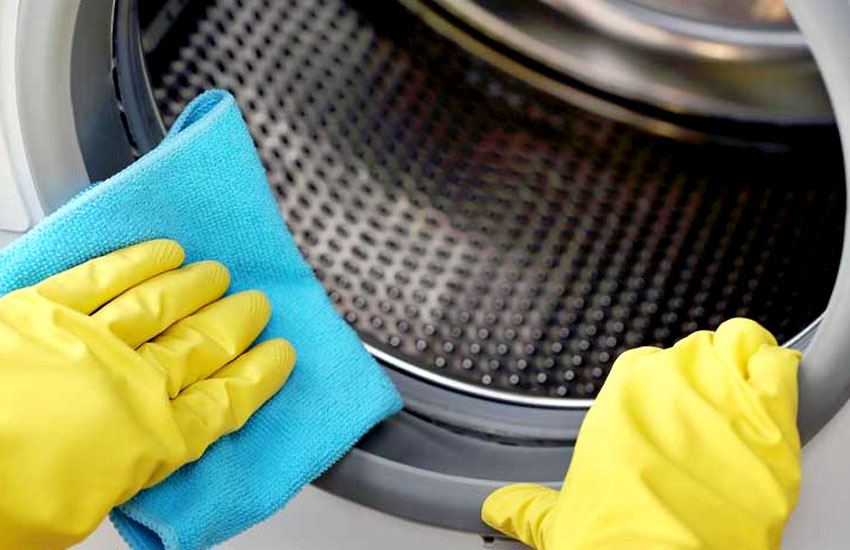
Does your washing machine smell funny or leave clothes not-so-fresh sometimes? I know that feeling. I used to dread laundry day because my machine always smelled weird. Then I discovered a simple trick using vinegar and baking soda that works wonders. In this article, I will share how to clean your washing machine step by step, so it feels like new again.
Remove and Clean the Detergent Drawer
The detergent drawer often holds hidden grime. Soap and fabric softener leave sticky residue that builds up over time. Start by carefully pulling the drawer out. If it feels stuck, check for a small release tab or gently wiggle it while pulling. Once out, soak it in warm water for 10 to 15 minutes.
Use a soft brush or cloth to scrub all corners. Even tiny spaces can hold mold or detergent buildup. Dip an old toothbrush in vinegar for tougher spots. Vinegar helps dissolve soap scum and kills germs naturally. Make sure to rinse the drawer well under warm water to remove all residues.
After cleaning, dry the drawer with a towel. Put it back into the washing machine gently. Make sure it slides in easily without forcing it. Then run a quick empty cycle with hot water. This flushes out any leftover detergent from the machine itself and prevents future clogs.
- Pull out detergent drawer carefully
- Soak in warm water 10–15 minutes
- Scrub corners and small spaces with vinegar
- Rinse and dry before reinserting
- Run a hot empty cycle to flush residues
Clean the Rubber Door Seal
The rubber seal around your machine door is a hidden hotspot for mold and dirt. Water can get trapped in the folds, causing a bad smell and sometimes even stains on clothes. Check carefully for hair, lint, or residue stuck inside. Pull back the rubber folds gently to reach hidden dirt.
Take a cloth soaked in vinegar and wipe the seal thoroughly. For black mold or stubborn dirt, make a paste of baking soda and water. Scrub gently with a toothbrush or soft brush. Baking soda helps remove mold and deodorizes naturally. Remember to get into every fold; even tiny spots can grow mold quickly.
After scrubbing, use a clean damp cloth to wipe off any vinegar or baking soda. Leave the door open for a few hours to allow air to dry the seal. This prevents mold from returning and keeps your washing machine smelling fresh for a long time.
- Inspect rubber seal for dirt, hair, or mold
- Wipe with vinegar-soaked cloth
- Scrub tough spots with baking soda paste
- Dry thoroughly and leave the door open
- Repeat weekly for best results
Run a Vinegar Wash Cycle
Cleaning the drum is one of the most important steps. Pour two cups of white vinegar directly into the drum. Do not put any clothes in the machine during this cleaning. Set the machine on the hottest water setting with the longest cycle available. Vinegar naturally kills bacteria and removes mineral buildup.
If your machine has a pre-wash or soak option, use it. This helps the vinegar reach the pipes, pump, and other hidden areas. During the cycle, you might notice a strong vinegar smell. Don't worry, it will disappear once the machine dries. The steam helps loosen grime and deodorizes the drum effectively.
Once the cycle is done, open the door immediately. Wipe the drum with a clean cloth to remove loosened grime. Check for any leftover residue around the drum edges. Doing this regularly—once a month—is enough to prevent odors and keep your washing machine in top shape.
- Pour 2 cups of vinegar into drum
- Run hottest and longest cycle
- Use pre-wash if available
- Wipe drum after cycle ends
- Check edges for leftover grime

Add Baking Soda for Extra Cleaning
After vinegar, baking soda is your second cleaning hero. Sprinkle half a cup inside the drum. Baking soda neutralizes odors, loosens dirt, and works naturally with vinegar to make your machine sparkling. It also helps prevent mold and mildew from forming.
Run another hot water cycle without clothes. For stubborn stains, mix baking soda with a little water to make a paste. Apply to the drum or tough spots and scrub lightly with a cloth. This extra cleaning ensures that any leftover grime from the vinegar wash is removed, leaving your washing machine spotless.
After this cycle, wipe the drum and door with a dry cloth. Make sure no residue is left. This combination of vinegar and baking soda is safe, effective, and affordable. Your washing machine will smell fresh, work efficiently, and keep your laundry cleaner.
- Sprinkle 1/2 cup baking soda inside drum
- Run hot water cycle without clothes
- Make paste for tough stains
- Scrub lightly and wipe drum and door
- Repeat monthly for best results
Clean the Filter and Drain
Your washing machine filter collects lint, coins, and small debris. Cleaning it regularly prevents blockages and ensures proper water flow. Check the manual to locate the filter; most are at the front bottom of the machine. Remove it carefully, as water may spill.
Rinse the filter under warm water, using a brush to remove stubborn debris. Check the drain pipe for lint or leftover dirt and clean it with a cloth or small brush. After cleaning, reinstall the filter properly. Run a short empty cycle to make sure the water flows freely. A clean filter prevents odors, reduces wear on the pump, and improves washing performance.
- Locate filter at bottom front
- Remove and rinse under warm water
- Clean drain area of lint and debris
- Reinstall filter and run short cycle
- Check monthly or more often for heavy use
Keep Your Washing Machine Fresh Daily
Once your machine is clean, keeping it fresh is simple. After every wash, leave the door open for a few hours. This prevents moisture from building up and stops mold from forming. Wipe down the drum and rubber seal regularly to remove leftover water drops or detergent.
Use small amounts of vinegar in the detergent drawer occasionally. Avoid using too much detergent as leftover soap can create grime. Run an empty hot water cycle at least once a month to maintain freshness. These small habits make a big difference in your washing machine's lifespan and your laundry quality.
- Leave door open after each wash
- Wipe drum and seal regularly
- Add small vinegar in detergent drawer occasionally
- Run monthly hot water cycle
- Avoid excessive detergent
Final Thoughts
Cleaning your washing machine with vinegar and baking soda is easy, safe, and effective. It removes odors, kills bacteria, and prevents mold. With regular care, your machine works better, lasts longer, and keeps clothes fresh. These simple steps make laundry day easier, more pleasant, and give you peace of mind knowing your washing machine is clean.
| Task | What to Use | How to Do | Frequency |
|---|---|---|---|
| Detergent drawer | Warm water, vinegar | Soak and scrub | Monthly |
| Rubber seal | Vinegar, baking soda | Wipe and scrub folds | Weekly |
| Drum cleaning | Vinegar, baking soda | Run hot cycle | Monthly |
| Filter & drain | Water, brush | Remove and clean | Monthly |
| Daily freshness | Vinegar | Light wipe and leave open | After each wash |
Frequently Asked Questions (FAQs)
Is it safe to use vinegar in washing machines?
Yes, vinegar is safe for washing machines. It is a natural cleaner that dissolves mineral buildup and kills bacteria without damaging metal or rubber parts. Using vinegar regularly prevents odors and keeps the drum clean. Always run an empty hot cycle when cleaning with vinegar. Over time, it helps your washing machine last longer and keeps clothes smelling fresh.
Can baking soda really clean my washing machine?
Yes, baking soda is very effective. It removes grime, neutralizes odors, and helps prevent mold. When used with vinegar, it creates gentle fizzing that reaches hidden spots in the drum. Baking soda is also safe for rubber seals and pipes. Regular monthly use ensures your machine remains clean, fresh, and efficient.
Do I need to clean the detergent drawer every time?
Not after every wash, but regular cleaning is necessary. Soap and detergent build up quickly, causing odors and mold. Clean the drawer monthly, or sooner if you notice residue or smells. A clean drawer ensures detergent dissolves properly and keeps clothes fresh.
Is it okay to leave the washing machine door open?
Yes, leaving the door open is important. It allows moisture to evaporate, stopping mold and mildew. Wet seals and drum interiors can trap water and create odors if the door stays closed. After every wash, leave the door open for a few hours to keep your machine fresh.
Can I mix vinegar and baking soda together in the machine?
Yes, but carefully. Pour vinegar first, then sprinkle baking soda. Run a hot cycle without clothes. This combination cleans grime, deodorizes, and kills bacteria. Avoid using too much of either to prevent overflow or excessive foam. It's a safe, natural, and effective cleaning method.
Do I need special tools to clean the washing machine?
No, you just need a soft cloth, old toothbrush, and small brush. Warm water, vinegar, and baking soda are enough. Most households already have these tools. This makes cleaning cheap, easy, and highly effective without any extra gadgets.
Is monthly deep cleaning enough for all machines?
For most machines, monthly deep cleaning is enough. It prevents buildup, mold, and odors. Machines with heavy daily use might need more frequent cleaning. Combining monthly deep cleaning with daily habits like leaving the door open ensures maximum freshness and longer machine life.
Can vinegar damage rubber seals or hoses?
No, vinegar is gentle on rubber and hoses. It naturally cleans and removes buildup without causing harm. Make sure to rinse after cleaning to remove excess vinegar. Regular use helps maintain rubber flexibility and keeps your washing machine working well for years.